
heat seeking
The first instalment of my winter diaries

I’ve decided to do a winter diary series, a blend of seasonal observations from my little corner of Tasmania, where we are currently in a bleak cold winter, interspersed with quotes from books and articles I’ve read, interviews I’ve listened to and notes from a writing class I’ve taken this year.
I’m trying something a bit more experimental and fragmented, much like some books I’ve enjoyed reading recently. Within these diaries, I’m going to attempt to articulate why I’m finding writing so hard at the moment and how/why my relationship with it has changed. I can’t promise I will be successful. But perhaps writing and thinking about it will be enlightening and lead me towards some answers. I hope so!
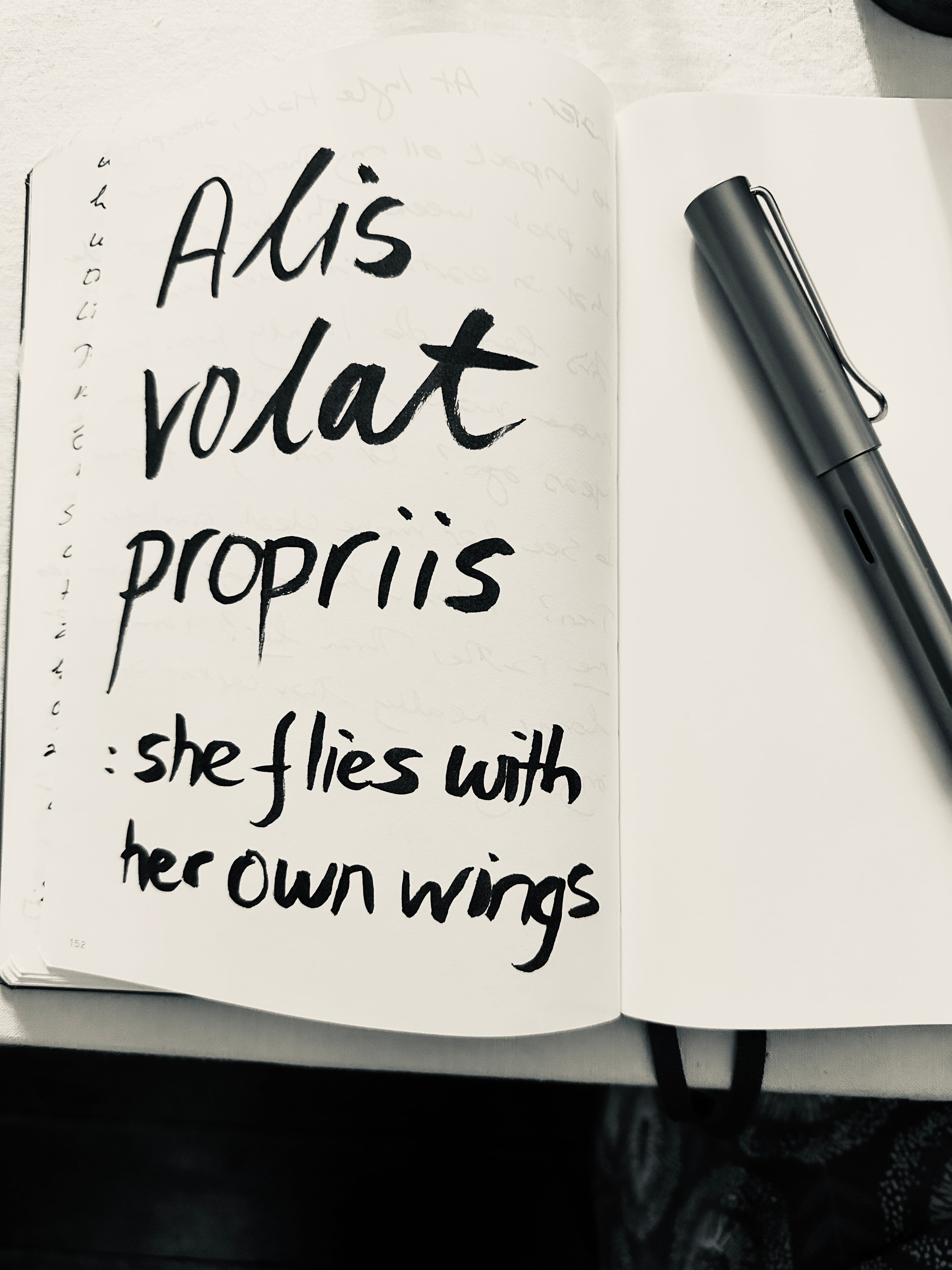
Direct quotes from others are referenced at the end. Anything without a reference is a fragment from one of my notebooks. Such as the one below.
I hope you enjoy this first instalment.
What are you protecting yourself from?
22-28 June 2026
It’s dark and freezing when the alarm goes off in the morning. Half asleep, I dress in yesterday’s gym clothes - a thermal top and fleece-lined leggings that I’ve been living in since I bought them - then put on Tom’s coat (warmer than mine), a beanie and a head torch to take Janey out for her morning walk. The fog is thick and soupy. Rabbits scamper off into the long grass as we approach. I feel as though I’m in a horror film.1
What or who is lurking in that fog?
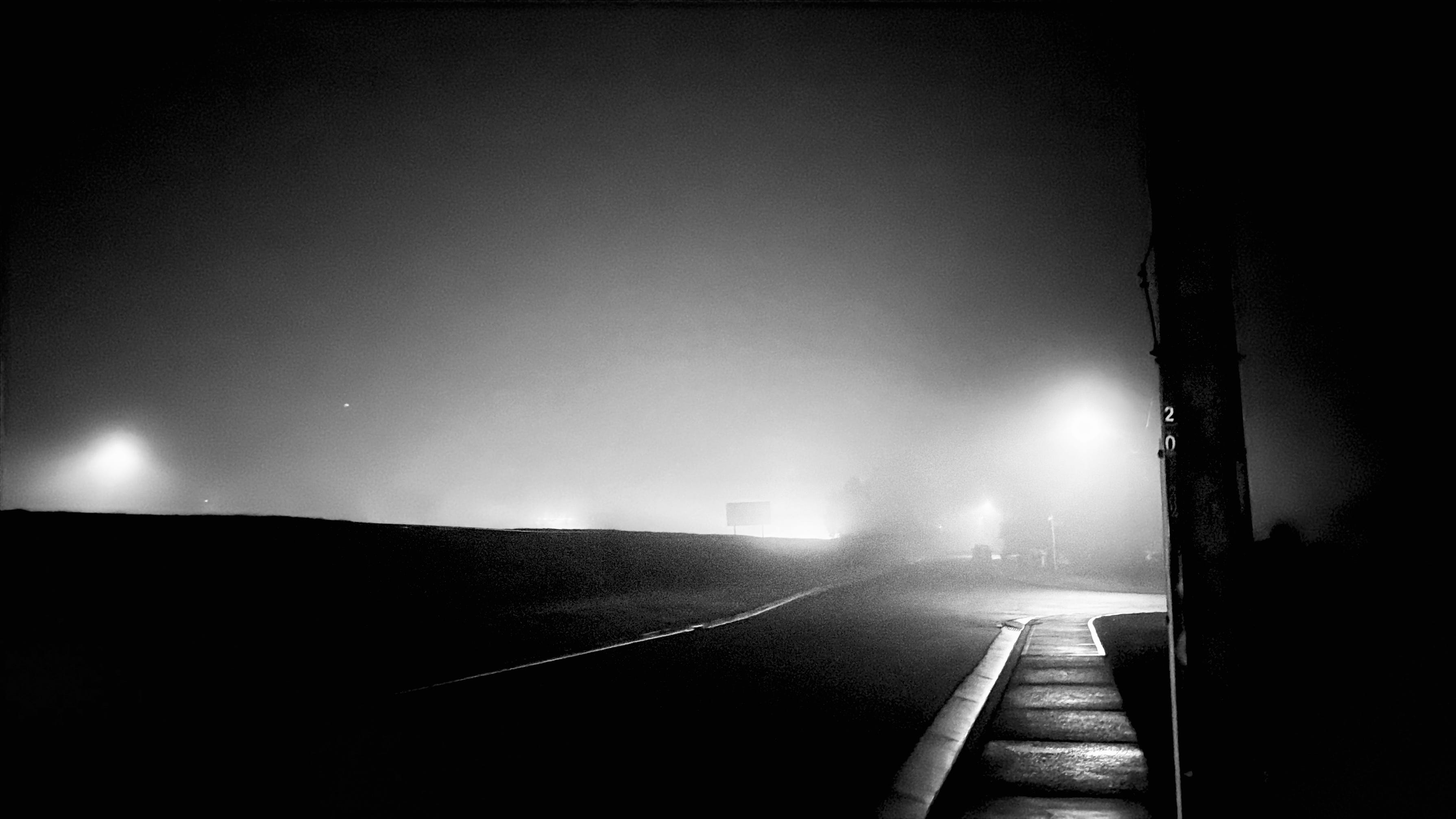
“Writing is like driving at night in the fog. You can only see as far as your headlights, but you can make the whole trip that way.”2
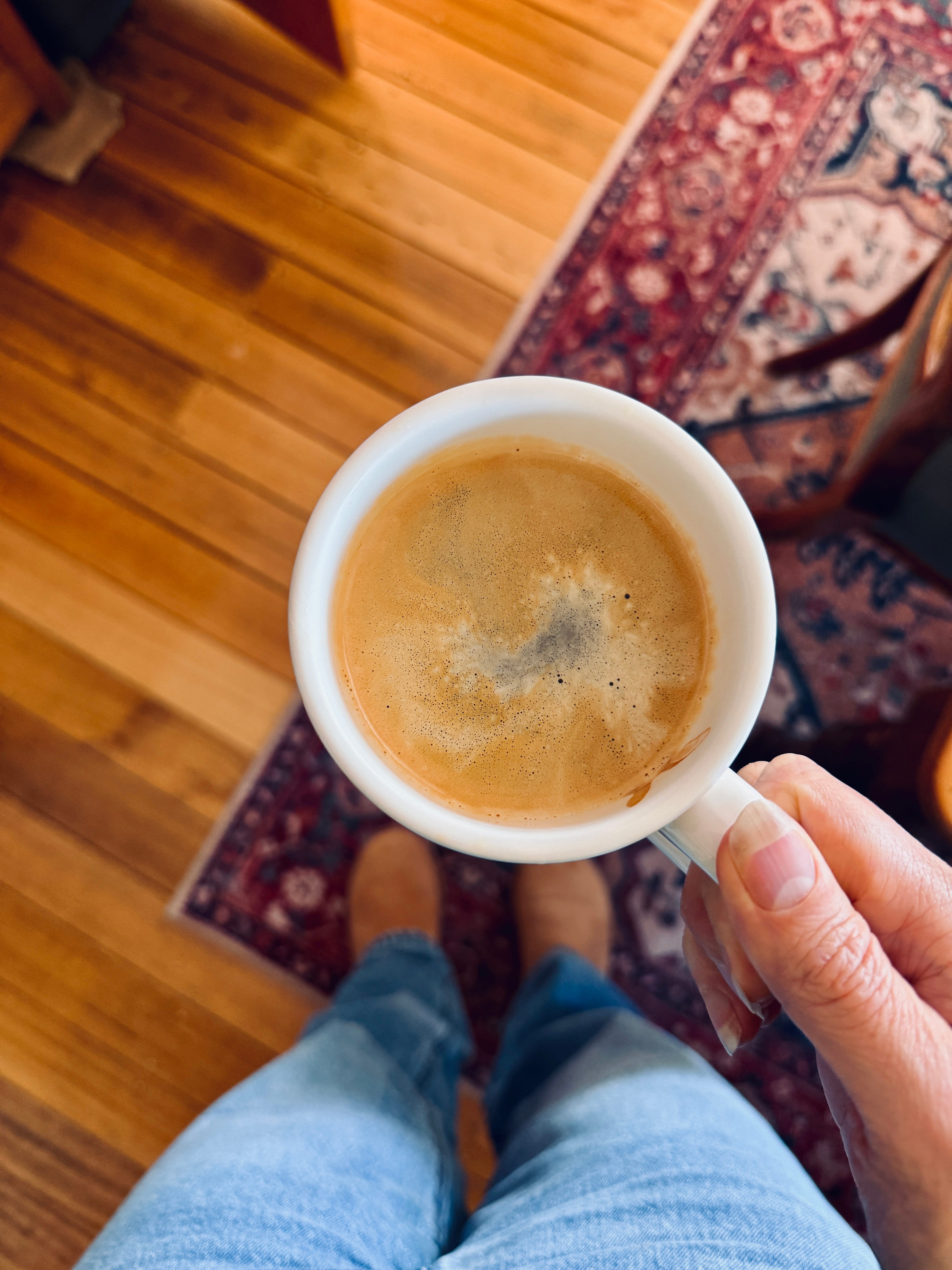
The rule is whoever walks Janey in the dark and cold comes back to a hot coffee. Most days I am the recipient of a steaming mug of caffeinated goodness on our arrival home. Later in the week, Tom takes Janey when I need a slow start. I enjoy being the barista. I grind the beans and foam the milk, taking pleasure in this small ritual, and smile at how we use the same mugs for coffee every day, and have done since we lived in London. Occasionally I will find a photo that will remind me how bright the mugs were when they were new. It feels miraculous they have lasted this long.
Every morning I make my porridge, thick and creamy, ribboned with ripe, lolly-sweet feijoa. They continue to drop from the tree by the bowlful each morning, littering the lawn like a pile of tiny green eggs.


My kitchen, unlike my writing desk, feels abundant, full of activity and creativity. Homemade yoghurt is always in the process of either being strained in the fridge, becoming thick and indulgent, or fermenting in the maker (that looks like the bullet in Mario Kart) on the kitchen bench. I use the whey from the straining to make bread and porridge.
The fridge is full of jars of various homemade concoctions - feijoa kasundi, a crisp and tangy zucchini pickle, two massive jars of sumac onions, sage and chilli butter, green tomato pickle. To say nothing of the bought condiments - several types of harissa, a neon orange hot mango pickle, jams (cherry, strawberry, marmalade) and a selection of curry pastes.
Looking at the jars intrigues and creates a sense of anticipation rather than overwhelm. I wonder how to create the same feeling when I open my manuscript.
Write towards the things that make you nervous. They are powerful.
Sometimes it feels like I’ve been writing this novel forever, or certainly thinking about it forever. I remember writing a few brief scenes, by hand, in the loft in Kilburn where I lived in the winter of 2007-8. That was, objectively, a very long time ago.
I have been actively writing it for six years. With every big life change and crisis over that time (of which there have been many), the draft would hit some kind of wall, need a major rethink and at least three times it has needed rewriting completely. Looking back, the ground beneath my feet was ever-changing. It is only since last year that life has found some kind of stability for me and Tom. It is therefore little wonder that the manuscript still hasn’t quite found the right expression.
The harder I have tried to pull the story out of me, the more it resisted. Lately, the will to keep going with it seems to have left me completely. Despite all the years of work and the fact that working with my mentor has been fantastic, I am quite exhausted by it. I have started asking myself whether it is time to accept that this book is simply too ambitious, too beyond my current skills, and maybe I need to move on to something else. To even be contemplating such a thing is honestly heartbreaking, not to mention a serious blow to my ego, but that is where I am.
I flick through some of my PhD journals - so many ideas, so much excitement. I hear so clearly the enthusiastic voice of a woman I’m not sure I am anymore.
I am shackled to a creative project that just won’t let me be.3
I know the wisdom inherent in the oft-repeated phrase - that writing a novel (or anything) isn’t the train to a better life or a better, more accomplished you. Doing it is the whole point. It has to be. Everything else is out of your control.
Despite knowing this, I haven’t always found it that comforting, or galvanising enough to get me burrowing back into the work.
A thought occurs to me one morning in my studio as my coffee goes cold. Perhaps I need to stop trying to control, to master it and simply let it surprise me, and be humble as I approach it instead of being…well, feeling entitled to anything. Feeling desperate to just get it done has only stalled its progress.
I need to find entry points into this manuscript again that lower the stakes enough for my protective avoidance mechanism to not kick in. The private version of the work. The version that is small, with no audience or end destination in mind.
I was worried that somewhere along the way I had simply stopped caring, but I don’t think that’s true. I think that is just the fatigue talking. It’s easy to mistake a temporary state of depletion for a permanent shift. Prolonged stress shrinks your sense of possibility, I’ve learned.
“What’s the point?” eventually comes up for all writers. Doubt is part of the deal.
Lunches and dinners this week are vibrant, comforting and full of flavour - just what I want food to be this time of year.


Winter makes me want spice in everything. Orange and cinnamon tea; fresh fiery ginger in soups and stir fries; liberal pinches of Aleppo pepper in the lentil bolognese; mashed potato marbled with grind after grind of black pepper; apples and pears stewed with nutmeg, star anise and cardamon; rich, comforting cheese on toast with a thick layer of sour-hot kasundi or harissa underneath.
It occurs to me that I am seeking heat, in every sense.
Heat seeking means following anything that gives the writer even a glimmer of energy. It might be something as tiny as an image or a word, or as conceptually enormous as war, or death. The only criteria for “heat” are that the writer is energized by the thought of it, and that writing into it fuels more writing. Learning to trust your instinct for “heat,” especially lacking any rational reason to do so, seems to me an important step in every artist’s development.4
In the driveway, the camellias have burst into creamy flowers. The first jonquils peek up out of the freezing ground. Velvety proteas provide a bright burst of pink. Rocket and rhubarb continue to grow rampantly in the back patch by the fence.
I find myself positively yearning for summer, for warmth, for beds full of cosmos, Japanese anemones, cornflowers, nigellas, and for fruit-laden trees. But this is the season for percolation, infusion, and the breaking down to build back up again. Summer gardens are made in the winter, so said Garden Witch.


Don’t take anyone’s word as gospel.
On Sunday, I go to the gym. It has the same dusty, cold scent as an empty church. Ironically, the actual church across the street is full, the road is lined with cars. Inside my own church, I am alone, with different hymns in my ears.
I listen to this entire album while I run on the treadmill. I come home dripping with sweat and trembling with rage, a metaphorical bin lid behind my back, ready for a fight. Female anger expressed in art always seems to tap into something in me. It creates heat.
It gets me thinking.
Start the whole thing again. Throw it all out. Write it fragmented. Write it weird.
Write it angry.
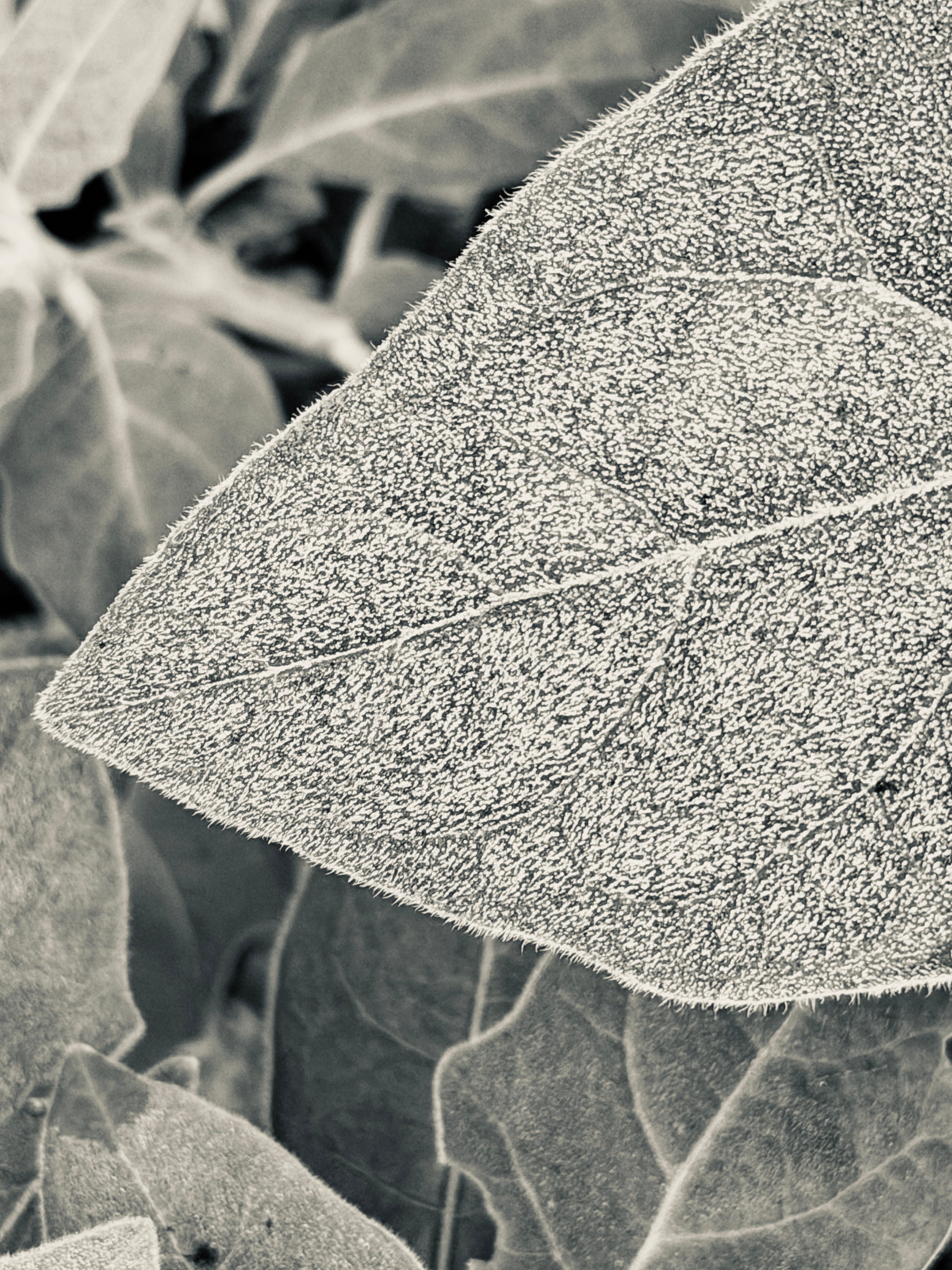
We wake to the first frost. Every leaf in the garden is coated with ice, glittering like broken glass. There is even ice in Janey’s outside water bowls. It has reached the point in winter where I can’t remember what it’s like for the outside air to be warm.
I unload the dishwasher, watching the sky slowly turn light. As I do, I listen to an interview with Anne Lamott, whose wise words only a few minutes in stop me in my tracks:
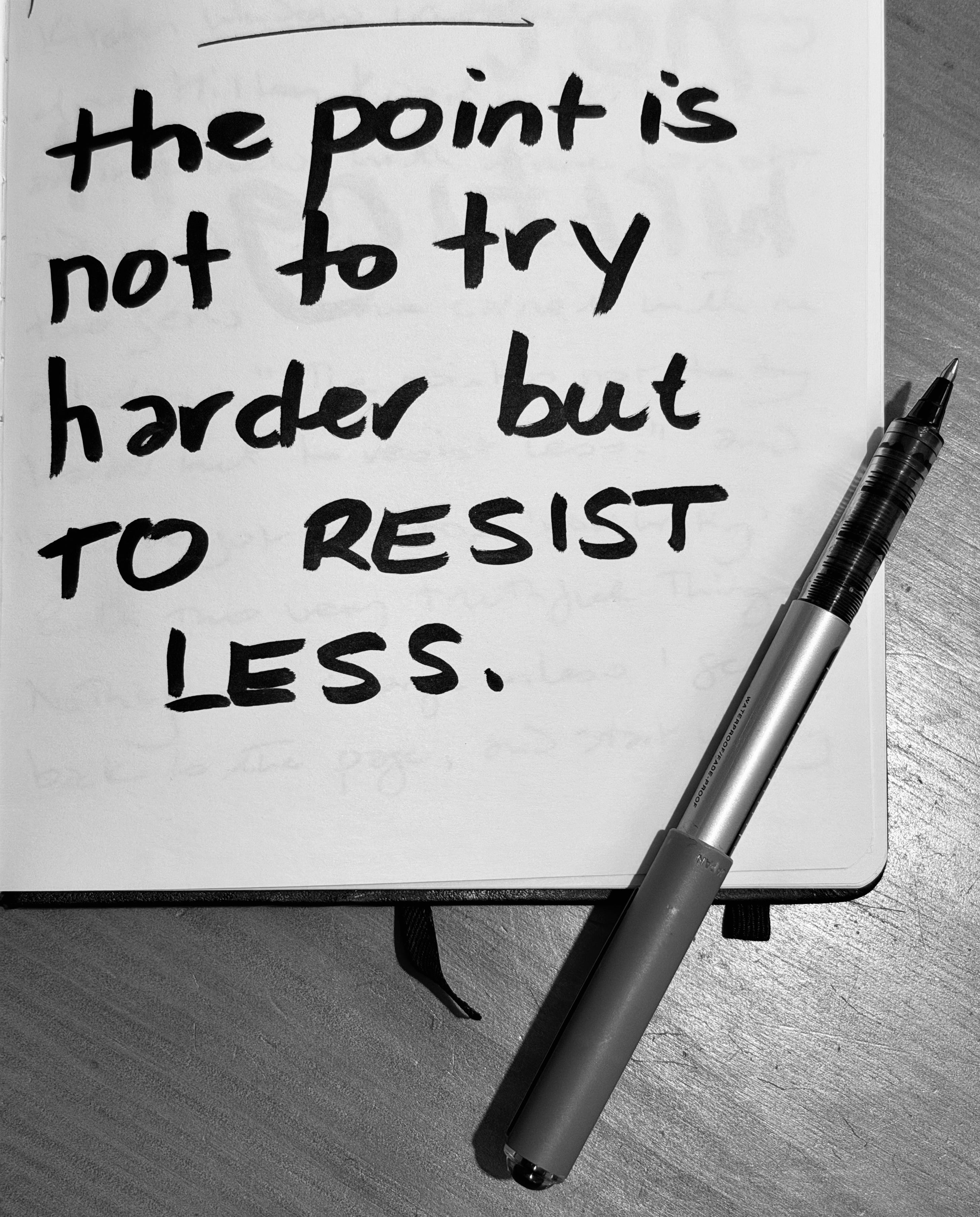
She also said “stop not writing” which also makes perfect sense.5 But as the day and week continues, I think a lot about this. About shifting my mindset, becoming awareness. To stop pushing, to lower the stakes, to just be. To just see.
Sarah Menkedick, who writes the brilliant Substack Terms of Endearment, wrote a post last year that feels more and more relevant to me right now, about being in a season of failure and how “in life, it’s all well and good to love something but if it doesn’t make you money, if it keeps failing and failing you in the most brutal of ways, well…you get a dog.”


Janey continues to be a wonderful companion. And my writing studio is one of her favourite places to hang out. I guess I should try and spend more time in there, for her sake as much as anything!
The rhythm of turning up lets the unconscious know you are ready to receive.
I don’t like driving in the fog, but I know I can grip the steering wheel, concentrate like hell, take it slow and get to where I need to be. Let’s just hope it lifts soon. I will keep seeking the heat.
Horror is not my favourite genre though Tom and I have recently enjoyed several including The Invasion of the Body Snatchers and the aptly-named The Fog.
E.L Doctorow, https://www.theguardian.com/books/2015/jul/22/el-doctorow-in-quotes-15-of-his-best
Gemma Parker, The Mother is Restless & She Doesn’t Know Why (Scribner, 2026)
Charlotte Wood, “On the Subconscious Act of Writing”, LitHub, https://lithub.com/charlotte-wood-on-the-subconscious-act-of-writing/
The whole interview is worth listening to, or watching:
Thanks for the mention! ♥️
"What's the point?" A familiar question.